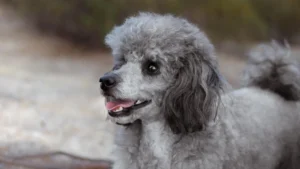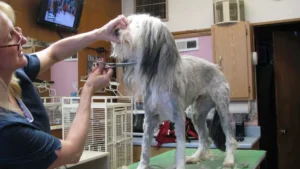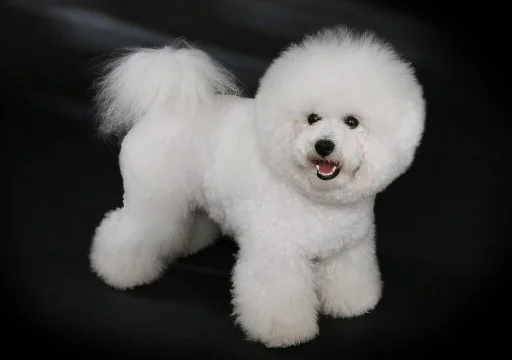
Before buying clippers for a thick coat, identify whether the dog has a continuously growing single coat or a protective double coat. Poodles and many Doodles may need regular clipping. Huskies, Golden Retrievers, German Shepherd Dogs, Samoyeds, Pomeranians, and many other double-coated breeds generally need undercoat removal and brushing—not a close body shave.
Best clippers for thick coats at a glance
| Clipper | Best suited to | Key advantage | Important limitation |
|---|---|---|---|
| Wahl KM10+ | Dense, curly, long, or clip-appropriate coats | Two-speed corded power with detachable blades | Not justification for shaving a double coat |
| Wahl KM2+ | Routine home clipping on prepared coats | Lower-cost detachable-blade platform | Less premium than KM10+ |
| Oster Cordless Turbo A5 | Heavy-duty work needing cord freedom | Cord/cordless use and A5 detachable blades | Runtime, weight, and price |
| Andis AGC Super 2-Speed | Users preferring Andis-compatible blades | Current professional corded platform | Complete blade setup costs extra |
“Thick coat” can mean very different things
Dense, continuously growing coats
Poodles, Bichons, and many mixed curly coats grow continuously and commonly receive haircuts. A powerful detachable-blade clipper can be useful after the coat is brushed, bathed, dried, and combed. Tool choice depends on body size, desired trim, coat condition, and the handler’s skill.
Double coats
A double coat has a softer, dense undercoat beneath protective guard hairs. Depending on breed, it may be short, medium, long, or Arctic in character. AKC guidance explains that these layers help protect skin and regulate the environment around it. Routine shaving can expose skin, alter regrowth, and damage coat texture.
For most double coats, the useful tools are a slicker brush, steel comb, suitable undercoat tool, dog dryer, and regular bathing—not a body clipper. Small sanitary or foot trims may still be appropriate when demonstrated by a professional.
Thick coats with severe matting or medical needs
A groomer or veterinarian may decide clipping is the safest option when a neglected coat prevents skin from remaining clean and dry, or when access is required for medical care. That is an individual welfare decision, not a general grooming style.
Current clipper choices when clipping is appropriate
Wahl KM10+: best heavy-duty corded choice
The Wahl KM10+ has a two-speed brushless motor, detachable #10 blade, and constant-speed control. Wahl lists smooth, double, long, and curly coats among compatible coat types and positions the tool for dense and matted work.
Its power and detachable blades make it versatile for trained users, especially on clip-appropriate curly coats. The cord provides continuous power but needs safe routing. Always follow breed-specific grooming guidance instead of selecting a shave merely because the machine can perform it.
Wahl KM2+: best value detachable-blade model
The Wahl KM2+ is a current two-speed corded animal clipper with a detachable #10 blade. It provides a path into replaceable blades and guide combs without the KM10+ price tier.
It works best on a fully prepared coat and for regular maintenance. A lower-cost body does not remove the need to buy appropriate blades, combs, oil, and a spare cool blade.
Oster Cordless Turbo A5: best cord/cordless option
The Oster Cordless Turbo A5 uses detachable A5 blades and can operate with or without its cord. Oster states an 80-minute runtime and describes the model for dense coats.
Cordless movement can be valuable around a large dog, but consider the clipper’s balance, battery condition, and the likely duration of the groom. Long sessions need breaks for the dog, handler, and blade cooling.
Andis AGC Super 2-Speed: best Andis alternative
The AGC Super 2-Speed remains in Andis’s professional small-animal lineup. Its detachable-blade design is a reasonable choice for users with Andis-compatible equipment or local service support.
Do not choose only by maximum speed. Grip, vibration, blade availability, maintenance, and the ability to rotate cool blades can matter more during a complete groom.
Features that matter on dense coats
Consistent torque
A dense coat creates resistance. A motor that maintains cutting power is less likely to stall and pull, but the blade should never be forced through tangles or packed undercoat.
Detachable blade system
Different tasks require different cutting lengths. Detachable blades also let the handler rotate away from a hot blade. Get professional advice on blade selection for the dog and body area.
Heat and airflow
Dense hair can pack around the blade and reduce airflow. Stop frequently, brush away hair, oil as directed, and test blade temperature against the inside of your wrist.
Ergonomics
Thick coats can make a session long. A secure grip and manageable weight help maintain control. A high-powered clipper that causes wrist fatigue may be less safe than a slightly slower tool that the handler can control accurately.
Prepare a thick coat before clipping
- Identify the coat type and appropriate grooming method.
- Check for mats, sores, moisture, parasites, and skin sensitivity.
- Brush in sections and verify with a metal comb.
- Bathe with dog-formulated products suited to the coat and rinse thoroughly.
- Dry completely. For many double coats, a professional high-velocity dryer helps remove loose undercoat.
- Clip only when it is appropriate for the coat and you understand the blade and body area.
Do not shave a double coat to stop shedding
Shaving does not stop the shedding process; it shortens the hair that sheds. AKC guidance warns that removing both coat layers can increase exposure to sun and insects, interfere with insulation, and produce uneven regrowth. A close shave can also cause clipper injury on skin that has not been exposed.
Control shedding through coat-appropriate brushing, bathing, combing, and removal of loose undercoat. Our dog brush guide is scheduled for the same editorial update and should currently be treated as an older resource.
Frequently asked questions
What is the best clipper for a thick Poodle coat?
For repeated full-body grooming, we favor a corded detachable-blade model such as the Wahl KM10+. See our dedicated Poodle clipper guide for coat preparation and detail-tool advice.
Can I shave a Husky, Golden Retriever, or German Shepherd?
Not as routine grooming. These breeds have double coats. Seek breed-specific advice from a qualified groomer and involve a veterinarian when matting, skin disease, or medical access is involved.
Why do clippers snag in thick hair?
Common reasons include mats, packed undercoat, a dirty or damp coat, a dull or unsuitable blade, insufficient oil, packed hair around the blade, or inadequate motor power. Stop and correct the cause rather than pushing harder.
For broader comparisons, read our current dog clipper guide. For severe tangles, read when not to clip a matted coat at home.
Sources
- American Kennel Club: Grooming a Double-Coated Dog
- American Kennel Club: Double-Coated Dog Breeds
- American Kennel Club: Should You Shave a Dog in Summer?
- Wahl Professional Animal: KM10+ specifications
- Oster Professional: Cordless Turbo A5
PetUpon substantially researched and rewritten this guide in August 2026. Confirm coat-specific decisions with an experienced groomer or veterinarian.