This page originally reported a historical 2013 recall involving selected dry Eukanuba and Iams products because of potential Salmonella contamination. It is not a current recall alert. Product ownership, recipes, plants, lots, and recall status change; always verify the exact brand, product, UPC, lot, and best-by code in the FDA database and with the manufacturer.
What the historical notice meant
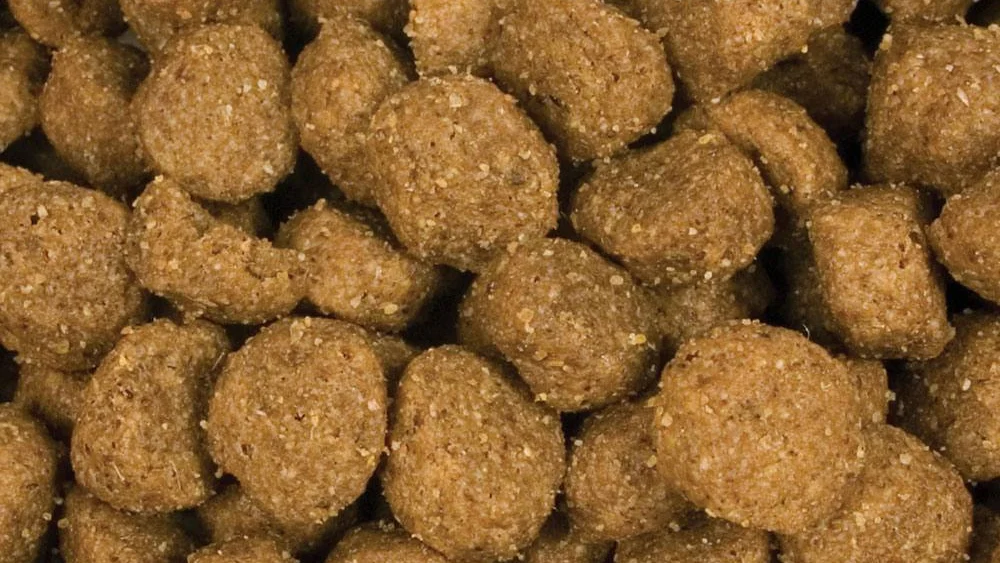
In August 2013, Procter & Gamble voluntarily recalled selected lots of several dry pet-food products, including Eukanuba and Iams, because of potential Salmonella contamination. A recall applies only to the identified products and codes; it does not mean every product made by a brand is affected forever. Conversely, a brand name alone cannot tell you whether a bag is safe.
How to check any pet-food recall
- Stop and keep the packaging; do not rely on a photo of the front only.
- Record exact product name, formula, package size, UPC, lot/production code, and best-by date.
- Search the current FDA recall database and archive.
- Open the original FDA/company notice and match every identifier.
- Follow its disposal, refund, and contact instructions exactly.
- Prevent children, pets, wildlife, and sanitation workers from accessing discarded food.
- Contact a veterinarian for illness and report a suspected pet-food problem when appropriate.
Possible Salmonella signs
Dogs may develop vomiting, diarrhea (sometimes bloody), fever, reduced appetite, lethargy, or abdominal discomfort; some animals can carry bacteria without obvious signs. People handling contaminated food or surfaces can also become ill. Wash hands, bowls, scoops, storage containers, and contact surfaces using public-health and product directions. High-risk people should avoid handling.
Recall vs complaint
An adverse-event complaint is not automatically proof of a recall or causation. FDA recalls, company withdrawals, enforcement reports, and consumer complaints are different records. Use the official notice to identify affected lots and report suspected problems with veterinary records, packaging, purchase information, and remaining product when requested.
Should you avoid a brand forever?
A historical recall is one part of evaluation, not a complete score. Assess the reason, scope, response, corrective action, transparency, formulation expertise, quality controls, current nutritional adequacy, and the individual dog’s needs. See FDA and WSAVA resources rather than anonymous recall lists that may omit status or affected codes.
Quick safety reference
| Situation | Recommended action |
|---|---|
| Mild, expected change with otherwise normal behavior | Follow the planned care instructions and record the trend |
| Persistent or worsening sign | Contact the regular veterinarian for advice and an appointment |
| Breathing difficulty, collapse, seizure, severe pain, uncontrolled bleeding, or inability to urinate | Seek emergency veterinary care immediately |
| Uncertain medication, diet, or wound instruction | Confirm with the prescribing clinic rather than guessing |
Frequently asked questions
Is Eukanuba recalled now?
This page cannot answer that permanently. At any purchase or concern, search the live FDA database and contact the manufacturer with exact codes.
Should I throw away food if my lot is not listed?
Follow the official notice and veterinarian/manufacturer guidance. If food looks or smells abnormal or a dog is ill, stop feeding and seek advice while retaining packaging and a secured sample.
Can washing the food make it safe?
No. Do not attempt to cook, rinse, or dilute recalled pet food. Follow disposal instructions.
Bottom line
The 2013 event is historical. Current safety decisions must use exact lot-level data from FDA and the manufacturer, plus veterinary assessment when illness is suspected.
Sources
How to verify a pet-food recall today
A historical article should never be used as a current recall list. Start with the FDA Animal & Veterinary recalls database, filter by brand or product, and open the original announcement. Match the exact product name, package size, lot or production code, and best-by date printed on your package. A shared brand name alone does not prove that every formula or package is affected.
- Stop feeding the matching lot while you confirm the notice and follow the disposal or return instructions in the announcement.
- Keep the packaging and receipt because the lot code, date and seller may be needed by the manufacturer, retailer or regulator.
- Contact your veterinarian promptly if your dog has vomiting, diarrhea, unusual tiredness, appetite loss, neurologic signs or another concerning change.
- Report suspected problems through the FDA pet-food complaint process; a report is not proof of causation, but it helps regulators identify patterns.
Recall status can change from ongoing to completed or terminated. PetUpon therefore links to the live regulator database instead of presenting an undated “currently recalled” claim.