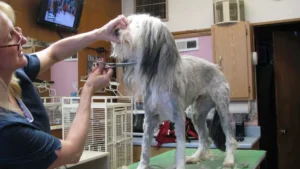
A Morkie—a Maltese and Yorkshire Terrier mix—often has fine, continuously growing hair that tangles easily, but coat texture varies from dog to dog. The most practical routine combines near-daily combing of friction areas, regular bathing with thorough drying, and a professional trim approximately every four to eight weeks. Your dog’s coat length, skin, activity, and tolerance should set the exact schedule.
Morkie grooming schedule
| Task | Typical starting schedule | Adjust when |
|---|---|---|
| Comb/brush | Daily or every other day | Long, cottony, harness-wearing, or tangle-prone coats need more |
| Face and eye-area check | Daily | Increased discharge, redness, or squinting needs a vet |
| Bath | About every 2–4 weeks | Follow veterinary advice for skin disease |
| Professional haircut | About every 4–8 weeks | Shorter styles may stretch the interval if maintained |
| Nails | Check weekly; trim as needed | Clicking, altered gait, or long curved nails need attention |
| Teeth | Brush daily with dog toothpaste | Bad breath, pain, or bleeding needs dental care |
These are starting points, not medical rules. Puppies need gradual handling practice before a full grooming appointment.
Tools for a Morkie coat
- Small soft or flexible slicker for light section work
- Small pin brush for longer silky coat
- Stainless-steel comb with wide and fine teeth
- Detangling product labeled for dogs
- Dog shampoo and conditioner selected for skin needs
- Absorbent towel and low-stress drying setup
- Dog toothbrush and toothpaste
The comb is the quality check: if it cannot pass from ends to skin without catching, the coat is not fully detangled. Do not hide tangles under a fluffy surface.
How to brush a Morkie
- Place the dog on a nonslip surface and inspect skin and coat.
- Lightly separate the coat into small layers, beginning at the lower legs or body.
- Support hair near the skin and work from the ends upward without pulling.
- Use the slicker or pin brush gently, then follow with the metal comb.
- Check behind ears, under collar or harness, armpits, legs, chest, and tail—common friction areas.
- Reward frequently and finish before the dog becomes restless.
Never cut a mat with scissors. Fine skin can be pulled into the tangle invisibly. Tight or extensive matting should be assessed by a professional; read our matted coat safety guide.
Bathing and drying
Comb out manageable tangles before bathing because water can tighten them. Use lukewarm water and dog-safe products, protect eyes and ears, and rinse until water runs completely clear. Residue may irritate skin and makes fine coat feel heavy.
Blot rather than rubbing the wet coat into new tangles. Dry in sections while gently straightening the coat with an appropriate brush, keeping airflow comfortably warm—not hot—and away from eyes and inside ears. Never leave a dog unattended with a dryer.
Choosing a Morkie haircut
Puppy cut
A short, even companion trim is usually the easiest to maintain. “Puppy cut” does not specify one universal length, so show the groomer photos and discuss how much daily brushing you can realistically do.
Teddy-bear style
A rounded face and somewhat fuller legs create a soft outline but require precise professional scissoring and more home combing.
Long coat
A longer silky style needs meticulous daily maintenance and protection from friction. It is less forgiving of missed sessions and may not suit every coat texture or lifestyle.
For home maintenance, do not improvise with household scissors or human clippers. See our shear safety guide and dog clipper guide.
Face, ears, nails, and teeth
Face
Wipe normal debris with a clean damp cloth, using a fresh area for each eye. Do not rub the eyeball or use unapproved tear-stain products. Redness, squinting, cloudy appearance, or increased discharge needs a veterinarian. Our dog face-grooming guide covers safe handling.
Ears
Check the visible ear for redness, odor, debris, and discomfort. Wipe only the outer flap unless your veterinarian recommends a specific cleaner. Do not insert swabs or pluck internal hair routinely.
Nails
Have a groomer or veterinary professional demonstrate trimming. Small dogs can still have a long quick, and dark nails are difficult to judge. Keep styptic powder nearby and stop if unsure.
Teeth
Small dogs benefit from daily brushing with dog toothpaste and an appropriately sized brush. Grooming does not replace veterinary dental exams or professional treatment.
When to call a professional
- Tight mats, especially near ears, face, legs, or groin
- Skin redness, sores, odor, parasites, or unexplained hair loss
- Eye or ear symptoms
- A dog that panics, bites, or cannot remain safely positioned
- A first haircut, style change, or close work around sensitive anatomy
Frequently asked questions
Do Morkies shed?
Many shed less visibly than typical double-coated breeds, but no dog is guaranteed non-shedding or hypoallergenic. Loose and broken hair can remain trapped in the coat, making combing important.
How short should a Morkie be cut?
Choose a length based on coat texture, climate, skin, activity, and how often you will comb. A professional groomer can suggest a conservative length and explain the maintenance interval.
Can I groom a Morkie at home?
Owners can handle routine combing, bathing, teeth, and simple external cleaning after instruction. Precision face, paw, sanitary, and full-body cutting is safer with a trained groomer until both owner and dog have the necessary skills.
Why does my Morkie mat so quickly?
Fine hair, cottony texture, moisture, shedding trapped in coat, collars, harnesses, and movement create tangles. Short frequent sessions and a more maintainable haircut help.
Bottom line
The best Morkie routine is realistic: keep the coat combable, choose a haircut you can maintain, and schedule professional grooming before mats develop. Daily face checks, dental care, and cooperative handling are as important as the haircut itself.