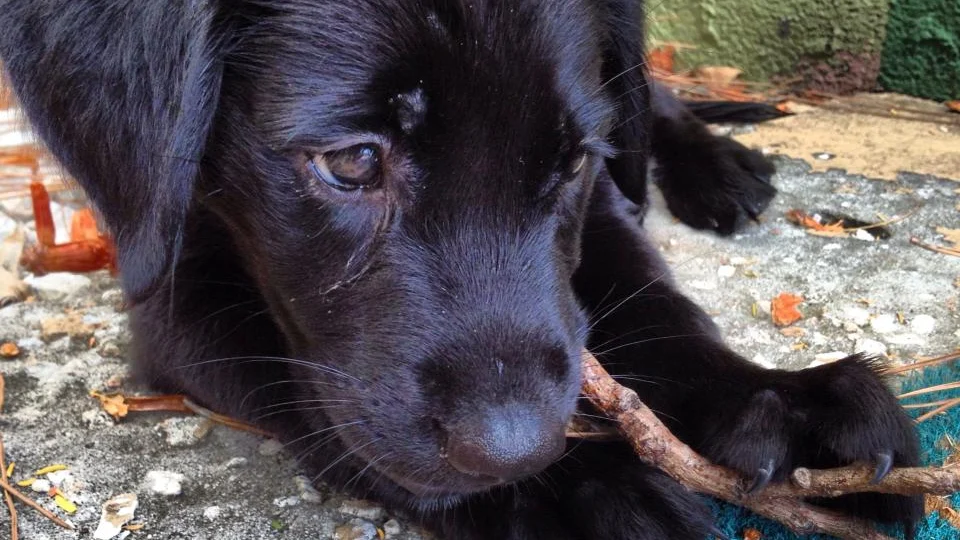
Our puppy Buddy survived canine parvovirus because we recognized that he was seriously ill and obtained veterinary treatment. His story is a reminder, not a home-treatment protocol: parvo is highly contagious, can cause life-threatening vomiting, diarrhea, dehydration, and sepsis, and requires prompt veterinary diagnosis and supportive care.
Buddy’s first day home
We brought home a soft, young rescue puppy and debated names before settling on Buddy. Like many new owners, we expected a few adjustment problems. When he became quiet, stopped acting interested in food, and developed gastrointestinal signs, the situation changed quickly. What looked at first like a puppy having an “off day” became an urgent medical problem.
The most important choice we made was seeking veterinary help rather than trying to manage vomiting and diarrhea at home. Young puppies have limited reserves and can become dehydrated or hypoglycemic rapidly. Buddy’s diagnosis and treatment belonged with the veterinary team.
Early signs of canine parvovirus
Cornell University College of Veterinary Medicine lists lethargy, reduced appetite, vomiting, diarrhea, weakness, abdominal pain, fever, and dehydration among common signs. Diarrhea may contain blood or mucus, but blood is not required for parvo and waiting for it can waste time.
- Sudden lethargy or weakness
- Reduced or absent appetite
- Vomiting or repeated retching
- Diarrhea, with or without blood
- Abdominal pain or a tense posture
- Fever or abnormal body temperature
- Dry/tacky gums, collapse, or other signs of dehydration and shock
These signs are not unique to parvo. Foreign-body obstruction, parasites, toxins, dietary illness, and other infections can look similar. That is why testing and examination matter.
How parvo spreads
Dogs acquire canine parvovirus through exposure to virus shed in infected feces and contaminated environments or objects. Direct dog-to-dog contact is not required; shoes, hands, equipment, soil, bowls, and surfaces can move contamination. The virus is environmentally hardy and many ordinary cleaners do not reliably inactivate it.
Keep a suspected dog away from other dogs and tell the clinic about possible parvo before entering. Do not take an ill puppy through a shared waiting room without instructions. Household isolation and disinfection must follow the treating clinic’s directions because surface type, organic material, product concentration, and contact time determine effectiveness.
Diagnosis
Veterinarians commonly use a fecal antigen test together with history, examination, and blood work. No single test is perfect at every stage, so a clinician may repeat or add testing when suspicion remains. Blood glucose, white blood cells, hydration, electrolytes, and imaging may be evaluated depending on the case.
Treatment and recovery
There is no safe DIY cure. Treatment focuses on correcting dehydration and electrolyte/glucose problems, controlling vomiting and pain, supporting nutrition, and reducing complications such as bacterial infection entering through a damaged intestine. Many puppies need hospitalization and intravenous care. Cornell notes that structured outpatient protocols may be possible in selected cases when hospitalization is financially impossible, but only under close veterinary direction and daily monitoring.
Current treatment options can include parvovirus monoclonal antibody therapy in appropriate patients, along with intensive supportive care. Availability and suitability vary, so ask the treating veterinarian rather than seeking a product independently.
What owners should not do
- Do not give human anti-diarrhea, pain, nausea, or antibiotic medicines.
- Do not force food or water into a vomiting or weak puppy.
- Do not rely on sports drinks, herbal mixtures, bleach ingestion, or social-media recipes.
- Do not stop prescribed care because the puppy has one better hour.
- Do not bring the puppy around other dogs during the isolation period set by the vet.
What helped Buddy
Buddy’s improvement came with professional treatment, monitoring, and time—not a secret home remedy. Recovery was not immediate or guaranteed. We watched for changes, followed the medical plan, and kept him isolated as instructed. His survival should offer hope while also underscoring how quickly owners need to act.
Outcome varies with age, disease severity, how early treatment begins, and complications. Cornell reports that many dogs can respond when medical therapy starts in time, while untreated disease has a poor outlook. Every case needs an individual prognosis from the treating team.
Preventing parvovirus
Complete the veterinary vaccine series
Parvovirus vaccination is considered core for dogs. AAHA explains that maternal antibodies can interfere with early doses, so puppies receive a series rather than one shot. The veterinarian schedules doses at guideline- and label-appropriate intervals through the age when maternal interference is less likely, then plans subsequent boosters. Do not assume a puppy is protected after one dose or an undocumented breeder injection.
Avoid high-risk environments while protection develops
Follow local veterinary advice about dog parks, pet-store floors, communal toilet areas, and other heavily contaminated places. This does not mean eliminating socialization: puppies can have controlled positive exposure while being carried, visiting clean private environments, meeting known healthy suitable dogs, and attending well-managed classes when the veterinarian approves.
Control contamination
Pick up feces promptly, keep unvaccinated puppies away from contaminated ground, do not share equipment with an infected household, and use a disinfectant protocol supplied by the clinic. Remove organic material before disinfection and follow the product’s exact dilution and contact time. Never mix cleaning chemicals.
Parvo and safe puppy socialization
The previous version of this story advised waiting until after a particular booster before socializing. That oversimplifies both disease risk and behavioral development. AVSAB identifies the first three months as the most important socialization period and supports safe, controlled socialization before full vaccination. Your veterinarian should help choose lower-risk experiences based on local parvo prevalence and the puppy’s record.
Our 8-week puppy care guide gives practical lower-risk ideas, and the 10-week guide explains how to continue without overwhelming the puppy.
Quick safety reference
| Situation | Recommended action |
|---|---|
| Mild, expected change with otherwise normal behavior | Follow the planned care instructions and record the trend |
| Persistent or worsening sign | Contact the regular veterinarian for advice and an appointment |
| Breathing difficulty, collapse, seizure, severe pain, uncontrolled bleeding, or inability to urinate | Seek emergency veterinary care immediately |
| Uncertain medication, diet, or wound instruction | Confirm with the prescribing clinic rather than guessing |
Frequently asked questions
Does bloody diarrhea always mean parvo?
No, and parvo does not always begin with bloody diarrhea. Several emergencies can cause gastrointestinal signs. Call a veterinarian for triage and testing rather than diagnosing by appearance or smell.
Can a vaccinated dog get parvo?
Vaccination is highly protective but no intervention is absolute. Incomplete series, maternal antibody interference, record or administration problems, and individual factors can matter. An ill dog still needs assessment regardless of reported vaccination.
Can humans catch canine parvovirus?
Canine parvovirus is not the same virus as human parvovirus B19. People do not develop canine parvo, but can mechanically carry contaminated material to susceptible dogs on hands, shoes, and objects.
How long is a recovering dog contagious?
Shedding and environmental persistence make a veterinarian-directed isolation and cleaning plan essential. Do not choose an arbitrary number from the internet; follow the treating clinic’s instructions for the case and household.
Can parvo be treated at home?
Not independently. Selected outpatient care may be offered by a veterinarian when hospitalization is not possible, but it requires prescribed medications, fluid/nutrition plans, isolation, and frequent rechecks. A puppy declining on outpatient care needs escalation.
Bottom line
Buddy survived, but the useful lesson is not that every puppy will follow the same path. Recognize early illness, call ahead, obtain testing and veterinary treatment, complete the vaccine series, disinfect correctly, and balance disease prevention with controlled positive socialization. Fast professional care gives a sick puppy the best chance.
Sources
- Cornell University College of Veterinary Medicine: parvovirus, transmission to treatment
- Cornell Baker Institute: canine parvovirus
- AAHA: key vaccination—canine parvovirus
- AVSAB: puppy socialization position statement

might want to revise the “not taking anywhere until after 2nd shot”, A friend had a 10wk old puppy with 2 shots and it got Parvo and is fighting for its life. They are on day 5 and so far minimal diarreah and threw up 1 time. A puppy must have ALL in the series to be protected.
Yes even after the 2nd shots have been given it is still not quite protected . After a few weeks i do also tip to disinfect the house hold within and out the back yard blankets and bowls w bleach . It reduces the parvo to strike another victum if they ever decide to bring a new pet into their home.
My one pound chihuahua puppy was diagnosed with Parvo three days after taking him home. He is only 8 weeks old. We beat Parvo and it’s all about the hydration, nutrition, and cleaning during first 3 days of onset of sickness. Purchase syringe from Walmart (children’s section) and Pedialyte (baby section). Give water or Pedialyte every 2 hours via syringe in the mouth. Then cover your finger with grade A honey and allow puppy to lick it every 2 hours. Twice a day make a soft boiled egg and remove soft warm liquidy yolk (vegetarian, grass fed eggs), dip finger in yolk, and allow puppy to lick it. In the meantime, continuously clean floors and blankets with bleach products. You will have to do this for three days from onset of Parvo illness. Take off work. Your puppy needs to have his diaper pads, urine, and diarrhea cleaned every hour. One diarrhea incident generates over 30,000 Parvo viruses to emerge. You have to throw out the diapers, wipe the crate and floors with bleach, and dispose of feces outside in your garbage can. On day 2 purchase turkey baby food. Dip your finger in the baby food and let your dog lick it. Continuously bathe your puppy, especially the butt area. I prefer lavender shampoo because lavender kills bacteria. Purchase organic red grapes, wash, and peel the grape skin off. Break up into little piece and feed to dog. Grapes kill microbacteria and are safe for dogs as long as the skin is removed. Make cool chamomile tea. Allow dog to drink it cold or via syringe. My puppy was 8 weeks old and one pound. He beat Parvo in three days. My vet was surprised and said that 99 percent one pounders die from Parvo. My puppy survived and the plan above was my secret to success. My vet, who graduated from vet school in the 1970s, said that my nutrition plan and hydration plan was safe and what killed the Parvo.
Our dog also has a parvo. And now, she’s on day 5 and she drinks a lot of water and she’s now eating a lot. I remember during day 2 I was the one who carry her to the vet and I’m having mixed emotions because she’s too tired and just want to lay down. I don’t want to cry but I can’t help it. My mom also cried when she was talking to the vet because they said her chance of suriving is 50-50. I didn’t sleep that night as well because I kept thinking about our dog. Luckily, I think she survived. She also barks again. All of us are now relieved. I’m glad buddy survived and now a happy pup.
My 10week old puppy has parvo right now. We’ve only had him 4 days before we took him back to rescue to be treated for parvo. I havent slept since we took him. Hes been at treatment away from us for 3 days and they said its hit him hard. I keep reading all these terrible stories and have made myself so upset. It’s good to hear your success stories. Gives me some hope. Was your puppy hit hard with it? We our little guy to our vet the day he started showing signs of being sick and he insisted that it wasnt parvo but didnt test him. The next day we went back and demanded a parvo test and he did have parvo. I’m so worried that he went too long without treatment. How soon after your puppy was sick did he/she get treatment??
Update on your pup? I’m going through Parvo with my pup now. Today is Day 4 of being sick and Day 3 of treatment and shes still depressed and sleepy.