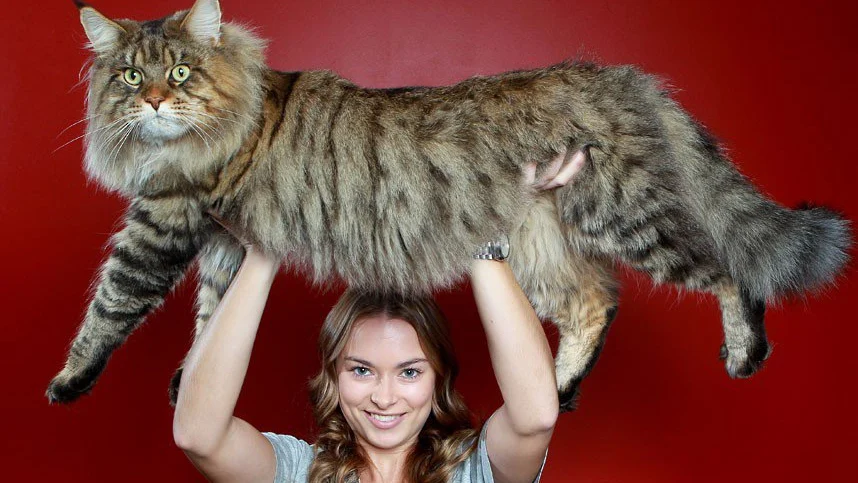
This updated guide explains Maine Coon cats with a safety-first, welfare-focused approach. It replaces outdated generalizations with a practical framework and makes clear when species identification, legal advice, or professional veterinary help is needed.
What to understand first
Breed tendencies describe populations, not guarantees about an individual. Temperament reflects genetics, early experience, health, environment, and learning. Choose breeders or rescues that prioritize welfare and provide transparent health information.
Quick-reference checklist
| Area | Questions to answer | Why it matters |
|---|---|---|
| Identity and life stage | What species, breed, age, and individual history? | Needs change substantially across animals and stages |
| Environment | Is space, temperature, equipment, and supervision appropriate? | Environment drives health and behavior |
| Daily care | Can the household provide the routine consistently? | Good care must be sustainable for years |
| Health | What are normal signs and emergency warning signs? | Early recognition prevents dangerous delay |
| Expert access | Is a qualified veterinarian or professional available? | Online guidance cannot diagnose an individual |
Build the plan around the individual
Observe normal appetite, activity, posture, elimination, breathing, coat or skin, and interaction. Record changes rather than waiting for a dramatic crisis. Husbandry and behavior problems often become harder to solve after weeks of inconsistent routines or an unsuitable environment.
Use measurements where possible: body weight, food amount, temperature, water test results, grooming frequency, or training repetitions. Objective records help a veterinarian or other qualified professional understand the pattern.
Safety and welfare standards
Choose methods and equipment that allow normal behavior and minimize fear, pain, injury, overheating, chilling, escape, and chronic stress. Avoid advice based on dominance, forced restriction, deliberate deprivation, or keeping an animal permanently in an enclosure too small for normal movement.
When professional help is needed
Seek veterinary care for breathing difficulty, collapse, seizures, severe injury, uncontrolled bleeding, repeated vomiting, persistent diarrhea, inability to eat or eliminate, rapid weight change, marked lethargy, pain, or a sudden behavior change. Wildlife emergencies should be directed to an authorized rehabilitator or local wildlife agency.
How to evaluate online advice
Prefer current veterinary, government, welfare, conservation, and species-specialist sources. A viral video, marketplace listing, or single keeper’s experience may omit legal limits, long-term outcomes, and individual medical factors. Check publication dates and whether claims are supported by primary guidance.
Our practical conclusion
Good decisions about Maine Coon cats begin with correct identification, realistic long-term care, careful observation, and willingness to obtain qualified help. Use this article as a planning tool rather than a substitute for an examination or local legal guidance.
Frequently asked questions
Can one guide cover every individual?
No. Species, age, health, environment, and history can change the correct plan. Use general guidance to prepare specific questions for a qualified professional.
What is the most common planning mistake?
Planning around the animal’s current size or one immediate problem while ignoring adult needs, maintenance, cost, and access to care.
How often should the care plan be reviewed?
Review it after growth, weight change, illness, behavior change, environmental change, or new professional advice, and during routine veterinary care.
What should I do in an emergency?
Contact an appropriate veterinarian, emergency clinic, wildlife authority, or poison service immediately. Do not wait for an online reply.
Prepare before a problem occurs
Identify the regular veterinarian, nearest appropriate emergency service, transport method, and a safe temporary enclosure or restraint plan before they are needed. Keep current photographs, weight records, diet or husbandry details, medications, and relevant legal paperwork together. Preparation reduces delay and prevents improvised handling during a stressful event.
Daily and weekly observations
A short daily check should cover appetite, water intake, elimination, movement, breathing, posture, skin or coat, and interaction. Weekly checks can include weight, enclosure or equipment condition, supply levels, and maintenance records. The goal is not constant intervention; it is knowing the individual’s normal pattern well enough to recognize a meaningful change.
Budget for the full commitment
Purchase or adoption cost is often the smallest part of responsible care. Include suitable housing, food, utilities, replacement equipment, routine veterinary care, emergency treatment, grooming or training support, travel arrangements, and the animal’s expected lifespan. A plan that depends on skipping essential care is not a sustainable match.
Children and household safety
Adults remain responsible for care and supervision. Teach children to avoid chasing, squeezing, startling, feeding without permission, or handling an animal during rest, eating, illness, or stress. Handwashing and appropriate sanitation matter, particularly with reptiles, wildlife, young children, older adults, pregnancy, or immune compromise.
I ended up with what we believe to be a main coon mix.. He fits the criteria for the maincoon, unfortunately, though his ears were ripped from his head after a coyote broke its teeth off in his skull a year ago.
I’ve always loved maincoons. I love this big guy, and would never part with him. He weighs 20 lbs, and has a head that’s as big as a softball. He’s extremely playful and is water resistant and isn’t afraid to hop in the shower with me. He’s highly intelligent, opens and closes doors by himself . He even knows where I work and has been known to show up outside the dishroom when I’m there.
He’s got my schedule memorized. His fur is extremely thick, and it’s borderline long/short.
He’s black. And people keep mistaking him for a raccoon, bear cub, and most kids in my neighborhood keep thinking he’s a puppy.
I could use some help from someone who’s more familiar with maincoons. They’re a beautiful and majestic breed, and my stubby has had his tail amputated from being hit by two cars.
What I needed to know is whether there’s a way to check him for specific breed traits? And if it’s possible to check blood? For breed?